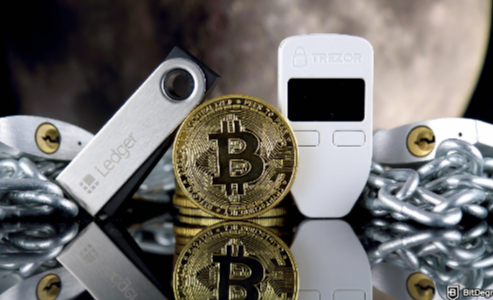
Storing crypto safely demands discipline and clear boundaries between hot and cold storage. The right mix of hardware wallets for long-term storage and software wallets for daily use reduces risk while preserving access. Backups must be encrypted, tested, and geographically separate, with recovery procedures rehearsed. Establish routines: regular software updates, phishing checks, and permission reviews. The plan should be documented and owned by the user, with ongoing vigilance—a prudent approach that invites the next step to tighten controls.
What “storing Crypto Safely” Actually Means
Storing crypto safely means protecting private keys and access methods from loss, theft, and compromise, while ensuring recoverability and clear ownership.
The concept centers on minimizing privacy risks through disciplined control, backups, and encryption.
It stresses practical, scalable safeguards and routine audits.
User education empowers individuals to recognize threats, adopt best practices, and maintain freedom without sacrificing security or accountability.
Pick the Right Wallet: Hardware Vs Software and Why It Matters
Choosing the right wallet is critical because it determines how securely private keys are stored and how easily funds can be recovered if something goes wrong.
The analysis compares hardware wallets and software options, emphasizing risk, control, and accessibility.
Hardware wallets offer cold storage resilience, while software wallets enable quick transfers.
Freedom-minded users balance convenience with strengthened security, selecting appropriate implementations for their needs.
Create Rock-Solid Backups and Recovery Practices
Effective backups and recovery practices are non-negotiable in crypto security: without them, a single device failure or misplaced seed can erase years of value.
The article outlines pragmatic backup procedures, emphasizing disaster planning, layered redundancy, and backup encryption.
It stresses regular recovery drills, verification steps, and clear ownership, enabling swift restoration while preserving autonomy and minimizing risk exposure.
Build Habits and Security Routines That Last
Building lasting security habits requires disciplined, repeatable routines that become automatic rather than optional. The guidance emphasizes simple, repeatable checks: schedule regular security audits, verify device integrity, and review access permissions. Phishing awareness training reinforces caution without rigidity. By embedding short, documented steps—daily verification, weekly updates, quarterly drills—individuals maintain freedom through proactive risk mitigation, not fear, sustaining resilient, autonomous crypto stewardship.
Read also:
Frequently Asked Questions
How Often Should I Rotate My Recovery Phrases?
Rotation frequency is not a universal rule; practitioners usually rotate periodically and after suspected compromise. This practice preserves recovery phrase entropy, minimizes risk, and supports freedom-minded users who value proactive, disciplined security without overreacting to every threat.
Can I Store Crypto Offline on Someone Else’s Device?
The theory that offline storage on third party devices is safe proves unreliable; generally, only personal devices with air-gapped, encrypted backups are prudent. Avoid offline storage on third party devices; pursue self-controlled, passphrase-protected, offline solutions.
What Is the Cheapest Secure Storage Option?
Cheaper hardware offers limited risk, but the safest option is a secure cloud with strong encryption and multi-factor access; balances cost and control. It favors freedom-seeking users who value reliability, redundancy, and vigilant threat awareness while minimizing single-point failures.
Do Mobile Wallets Offer Equivalent Safety to Hardware Wallets?
Mobile wallets offer less safety than hardware wallets; they are more vulnerable to malware and device loss, though they can be protected with strong authentication and recovery phrases. They require vigilance and disciplined backups for true resilience.
How Do I Verify a Wallet’s Update Safety?
The answer: verify wallet update signatures to ensure authenticity, then perform a cross device trust assessment, checking for mismatches in versioning and developer provenance. It remains risk-aware, concise, actionable, and suitable for freedom-seeking users.
Conclusion
Storing crypto safely hinges on disciplined, layered defenses. In practice, users should blend hardware wallets for cold storage with software wallets for daily use, backed by encrypted, tested backups and clear ownership. Regular routines—updates, drills, phishing vigilance, access reviews—are non-negotiable. Treat recovery like a lifeline: rehearse it until flawless. When risk-aware, concise actions become habit, chaos stays at bay and funds stay distinctly safer than the rumor of “it’s fine.” The result: extraordinary security, with ordinary steps.