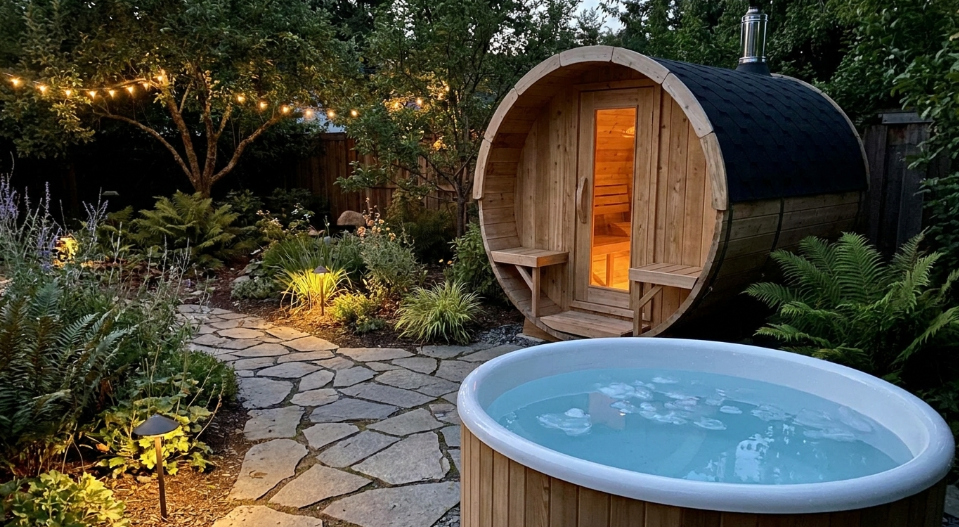
A traditional sauna session runs 15 to 20 minutes at 150 to 195 degrees Fahrenheit, often split into two or three shorter rounds with a cooldown break between them, followed by rehydrating with water. Beyond temperature and timing, a handful of etiquette habits, rinsing before entering, sitting on a towel, and keeping löyly (water on the rocks) reasonable for everyone in the room, make the experience better for both first-timers and regulars.
What Temperature Should You Set the Sauna To?
Traditional Finnish-style saunas typically run hotter than the infrared cabins many people encounter first, generally 150 to 195 degrees Fahrenheit measured near the upper bench, where it is hottest. New users usually find 170 to 180 degrees comfortable for a first session, working up to higher temperatures as their tolerance builds over repeated visits. Sitting lower in the room, where the air is noticeably cooler than at bench height near the ceiling, is a simple way to moderate the heat without touching the thermostat.
How Long Should Each Session Actually Last?
A single sitting of 15 to 20 minutes is the most common session length, though plenty of experienced users prefer two or three rounds of 10 to 15 minutes each, stepping out to cool down for 5 to 10 minutes between rounds before going back in. This round-based approach tends to be easier on the body than one long continuous sitting, especially for anyone still building tolerance for the heat.
What Happens When You Add Water to the Rocks?
Ladling a small amount of water onto the hot rocks creates löyly, a burst of steam that raises the perceived heat and humidity briefly. This is a core part of the traditional experience, but it should be done in modest amounts, a few ounces at a time, and with awareness of anyone else in the room, since a sudden large amount of steam can be uncomfortable for other bathers. In a shared or family sauna, it is common etiquette to ask before adding more water if others are present.
What Should You Do Before and After a Session?
A quick rinse before entering removes sweat, lotion, or sunscreen residue, which both keeps the cabin cleaner and makes the heat feel more even on skin. Sitting on a towel rather than directly on the wood bench is standard practice in most traditional saunas, partly for hygiene and partly because it protects the wood finish from sweat over time. After the session, a cooler shower and a glass of water help bring body temperature back down gradually and replace fluids lost to sweating.
What Are the Basic Etiquette Norms?
Traditional Finnish sauna culture treats the room as a quiet, low-stimulation space rather than a place for loud conversation or phones, though this varies by household and is more a cultural convention than a hard rule. Removing shoes before entering, keeping the door closed to hold in heat, and not overloading the löyly water for everyone else in the room are the etiquette basics that carry over well into a home setting, even a private one used only by family.
Who Should Be Cautious About Sauna Use?
People with unstable angina, a recent heart attack, uncontrolled high blood pressure, or who are pregnant should get medical guidance before starting sauna use, since the heat places real demand on the cardiovascular system. Alcohol before or during a session increases the risk of dehydration and impaired judgment about how long to stay in, and is generally discouraged. Anyone feeling dizzy, nauseated, or unusually unwell during a session should step out and cool down rather than pushing through it.
Setting Up a Home Sauna for How You Actually Plan to Use It
Bench layout matters more than people expect: a two-tier design lets each person choose their own comfort level, sitting lower for milder heat or higher for a more intense session, which suits households with mixed tolerance levels. When comparing cabin options for a home setup, it is worth checking bench height and tier spacing against how your household actually plans to use the room; the SweatDecks catalog lists bench configurations alongside interior dimensions, which makes it easier to match a layout to real usage patterns rather than guessing from a photo.
What to Expect the First Few Times
A first sauna session often feels more intense than expected simply because the body has not adapted to sitting still in dry heat for an extended stretch. Starting with a shorter 8 to 10 minute sitting at the lower end of the temperature range, then stepping out to cool down before deciding whether to go back in, is a reasonable way to learn your own tolerance without pushing too hard on the first visit. Mild lightheadedness on standing up quickly afterward is common and usually resolves by rising slowly and taking a moment before walking; if it persists or feels severe, that is a signal to stop and rest rather than push through additional rounds.
Sauna Use Across Different Ages in the Same Household
Households sharing a sauna across generations generally do best by letting older adults and children use lower bench positions and shorter session lengths than the adults setting the room’s peak temperature. Children old enough to sit still and communicate discomfort can usually join brief, cooler sessions with a supervising adult, though pediatric guidance on sauna use varies and a family doctor is a better source than a general guideline for a specific child. Older adults, particularly those on blood pressure medication, often do better with shorter sessions and a cooler bench position, since some medications affect how the body regulates temperature and blood pressure under heat stress.
Frequently Asked Questions
What temperature should a traditional sauna be?
Most traditional sauna sessions run between 150 and 195 degrees Fahrenheit, with 170 to 185 being a comfortable range for most first-time or occasional users. Experienced bathers in Finland often go higher.
How long should a sauna session last?
A typical session runs 15 to 20 minutes, though many people take two or three shorter rounds of 10 to 15 minutes with a cooldown break between them rather than one long continuous sitting.
Should you shower before or after a sauna?
A quick rinse before entering removes lotions, sunscreen, or sweat that can affect how the heat feels on skin, and a cooler shower afterward helps bring body temperature back down gradually.
Is it rude to talk in a traditional sauna?
In traditional Finnish etiquette, quiet or low conversation is the norm rather than loud talking, and many people treat sauna time as a quiet, low-stimulation break. This is a cultural convention, not a strict rule, and varies by household or facility.
References
- Cardiovascular and Other Health Benefits of Sauna Bathing: A Review of the Evidence, Mayo Clinic Proceedings, 2018.
- Does the Combination of Finnish Sauna Bathing and Other Lifestyle Factors Confer Additional Health Benefits? A Review of the Evidence, Mayo Clinic Proceedings, 2023.
- Effects of heat and cold on health, with special reference to Finnish sauna bathing, American Journal of Physiology – Regulatory, Integrative and Comparative Physiology, 2018.